
What is a magnifying glass used for? In short, a magnifying glass makes small things look bigger, so you can see detail that your eyes alone would miss. It is a simple tool, yet people use it for reading, science, crafts and many jobs. Also, it needs no power, it costs very little, and it works in seconds.
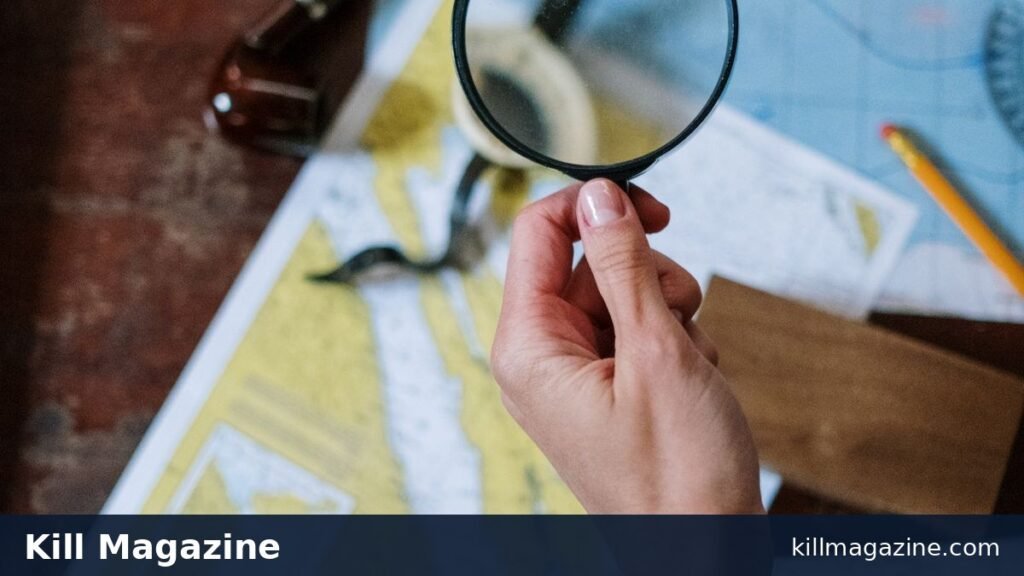
A magnifying glass holds a convex lens in a frame with a handle. The lens bends light and makes an image look larger. As a result, small print, fine stitches and tiny parts become clear. For example, a lens with 2x power makes an object look twice as large, while a 5x lens makes it look five times as large.
What Is a Magnifying Glass Used For in Everyday Life?
Most people in the UK first meet a magnifying glass at home or at school. People use it to read small print on medicine labels, bank letters and food packets. In addition, people with low vision use a magnifier to read books, newspapers and bills. The Royal National Institute of Blind People offers advice on reading aids on the RNIB website.
- Reading small print, maps and instruction booklets.
- Checking stamps, coins and banknotes for collectors.
- Looking at insects, leaves and flowers in the garden.
- Helping with sewing, embroidery and model making.
- Finding a splinter or checking skin in detail.
What Is a Magnifying Glass Used For in Science and Work?
In science, a magnifying glass helps pupils see cells, crystals and small creatures in class. Teachers in UK schools use it for simple experiments with light and lenses. For example, pupils can test how a lens bends light and how distance changes the size of an image. Our guide to classroom events has more ideas for hands-on learning.
Many jobs also rely on a magnifier. Jewellers check gems and hallmarks, watch repairers look at tiny gears, and forensic teams study fibres and fingerprints. In addition, doctors and nurses use a magnifier to check skin, wounds and small details. In short, any job that needs close detail can benefit from a simple lens.
How to Choose a Magnifying Glass
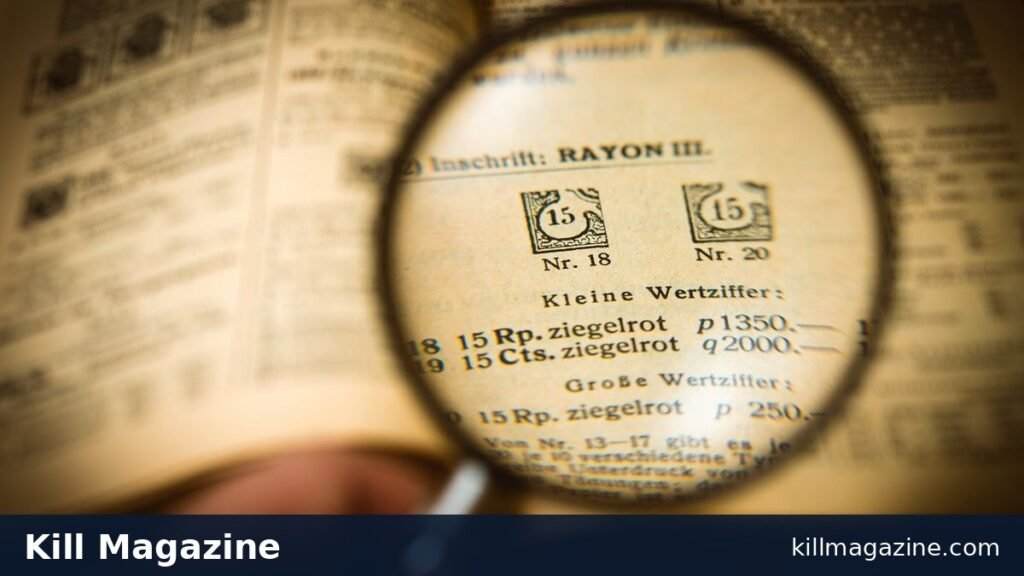
First, think about what you will use it for. A large hand-held lens suits reading, while a small, strong lens suits stamps and jewellery. Second, check the power: 2x to 3x works well for reading, while 5x to 10x suits close detail. Finally, look for a comfortable handle, a clear glass lens and a light that helps in dim rooms.
- Choose 2x to 3x for reading and general use.
- Choose 5x to 10x for stamps, coins and jewellery.
- Pick a glass lens for a clear image, or plastic for a light, cheap option.
- Try a hands-free stand if you need both hands free.
- Expect to pay from about £5 for a basic lens to £30 or more for a lit model.
You can also find more classroom ideas in our article on 10 benefits of using a whiteboard in your classroom, which looks at simple tools that help pupils learn.
Stay Safe With a Magnifying Glass
However, a magnifying glass can focus sunlight and start a fire, so never leave it in direct sun on paper, curtains or soft furnishings. Also, never look at the sun through a magnifier, because it can damage your eyes in seconds. Keep it in a case, away from children who might use it in the sun, and store it flat in a drawer.
In short, what is a magnifying glass used for? It helps you see small things clearly, from reading and science to crafts and work. It is cheap, simple and useful in almost every home. For a quick start, pick a 2x lens for reading, learn how it bends light, and keep it safe from sunlight.
Leave a Reply