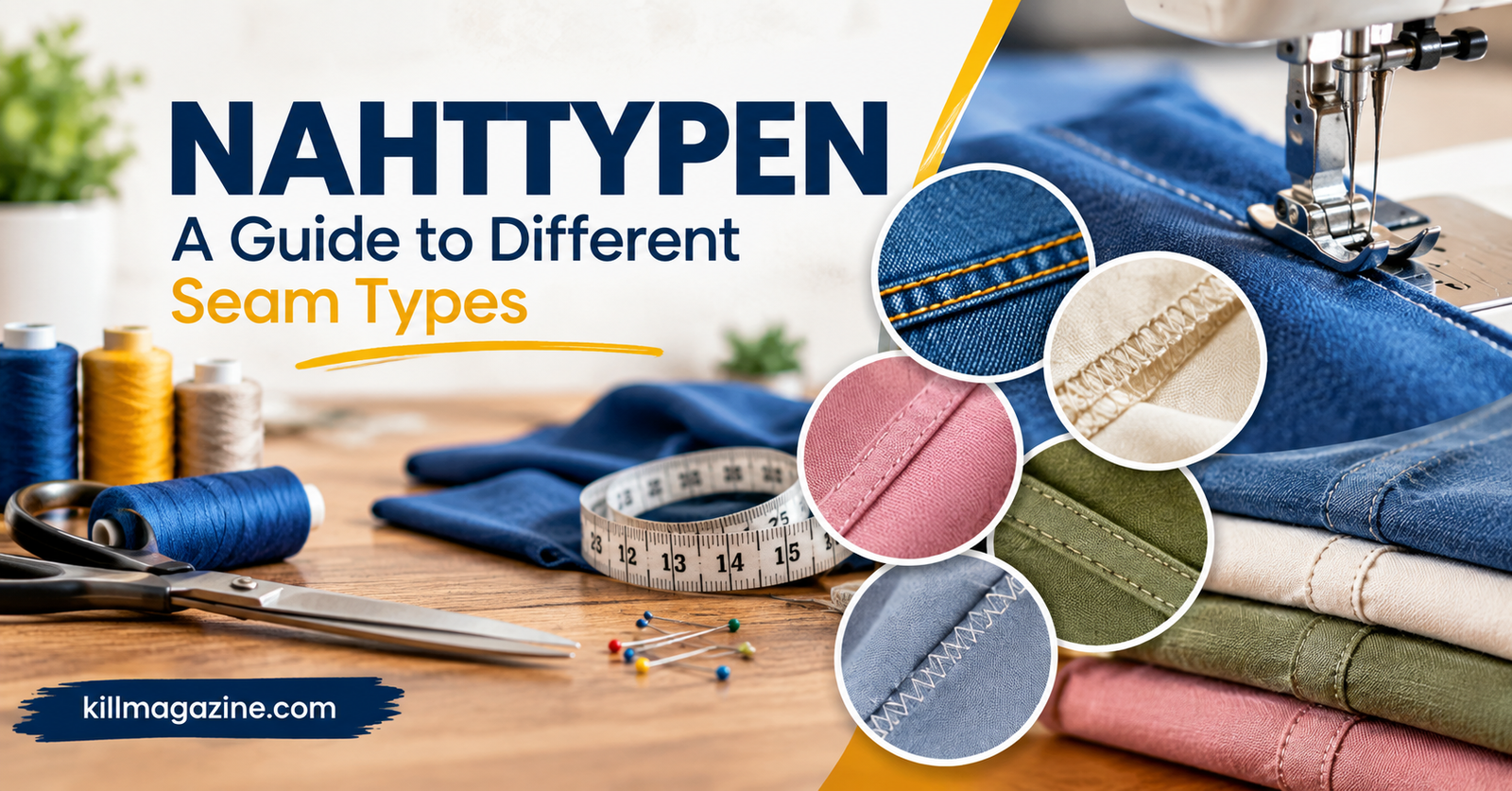
Sewing is often thought of as a simple skill — thread a needle, join two pieces of fabric, and you’re done. But anyone who has spent real time behind a sewing machine knows there’s far more depth to it. One of the most overlooked yet powerful elements of sewing is Nahttypen, the German term for “seam types.” Far from being a small technical detail, the seam you choose can completely change how a project looks, feels, and holds up over time.
In this guide, we’ll explore what Nahttypen means, why it matters for both function and creativity, and how understanding different seam types can turn an average sewing project into something professional and expressive.
What Is Nahttypen?
Nahttypen simply means “seam types” — the different techniques used to join two or more pieces of fabric together with thread. While a seam might seem like a purely technical choice, it actually plays three major roles in any sewing project:
- Strength – holding fabric pieces together under stress and movement
- Finish – preventing fraying and giving a clean, professional look
- Style – adding a decorative or design element to the final piece
Every seam type serves a slightly different purpose, and knowing which one to use — and when — is what separates a “homemade” look from a “handcrafted” one.
Why Nahttypen Matters for Creativity
It’s easy to assume that seam choice is purely a technical matter, but in reality, Nahttypen is deeply tied to creative expression. The seam you choose affects:
- The silhouette of a garment (a bulky seam can change how fabric drapes)
- The texture of the finished piece (visible topstitching adds a design element)
- The story of the project (delicate seams for delicate fabrics, bold seams for statement pieces)
Once you start viewing seams as a design tool rather than just a construction step, your sewing projects open up to endless creative possibilities — mixing textures, adding decorative stitching, or using contrast thread to highlight a seam line.
Common Nahttypen (Seam Types) Every Sewer Should Know
Here’s a quick breakdown of the most useful seam types, what they’re best used for, and their difficulty level:
| Seam Type | Best Used For | Difficulty | Key Benefit |
|---|---|---|---|
| Plain Seam | Shirts, skirts, bags, everyday items | Beginner | Simple, quick, versatile |
| French Seam | Silk, chiffon, delicate blouses | Intermediate | Fully encloses raw edges for a clean finish |
| Flat-Felled Seam | Denim, jackets, workwear | Intermediate | Extremely strong and durable |
| Overlock Seam | Knits, activewear, mass-produced clothing | Intermediate | Cuts and finishes edges in one step |
| Zigzag Seam | Stretch fabrics, t-shirts, sportswear | Beginner | Moves with the fabric without breaking |
| Blind Hem Stitch | Pants, skirts, dress hems | Intermediate | Nearly invisible finish |
| Lapped Seam | Decorative panels, design features | Advanced | Adds structure and visual interest |
| Decorative/Topstitched Seam | Statement pieces, accessories | Advanced | Turns a seam into a design element |
How to Choose the Right Nahttypen for Your Project
Picking the right seam comes down to three simple questions:
- What is the fabric like? Lightweight and delicate fabrics need gentler seams like the French seam, while heavy fabrics like denim need strength-focused options like the flat-felled seam.
- Does the fabric stretch? Stretch fabrics need seams like zigzag stitching that can move without snapping the thread.
- What’s the purpose of the project? A daily-wear jacket needs more durability than a decorative accent pillow.
Matching the seam to the fabric and function is the real secret behind projects that look clean, last longer, and feel intentional.
Nahttypen as a Creative Tool
Once the basics are second nature, seams stop being just a technical necessity and become part of your creative toolkit. Some ways sewists use Nahttypen creatively include:
- Using contrast thread on a plain seam to highlight construction lines
- Adding decorative topstitching to turn a functional seam into a design feature
- Mixing seam types within one project — a strong flat-felled seam for structure, paired with a delicate French seam for finishing touches
- Using lapped seams to create layered, textured designs on jackets or bags
This is where sewing becomes more than a technical skill — it becomes a form of self-expression.
Final Thoughts
Nahttypen might sound like a small, technical detail, but it’s really the hidden architecture behind every sewing project. Whether you’re aiming for durability, comfort, or pure creative flair, the seam type you choose shapes the final result far more than most beginners realize. Start with the basics — plain, French, and flat-felled seams — and as your confidence grows, experiment with more advanced techniques to bring your creative vision to life.
Frequently Asked Questions (FAQs)
1. What does Nahttypen mean in sewing? Nahttypen is a German term that means “seam types.” It refers to the different methods used to join fabric pieces together, each serving a purpose related to strength, finish, or style.
2. Which Nahttypen is best for beginners? The plain seam is the easiest starting point. It’s simple to sew and works for a wide range of basic projects like shirts, bags, and pillow covers.
3. Which seam type works best for delicate fabrics? The French seam is ideal for soft, delicate fabrics like silk and chiffon. It encloses raw edges completely, giving a clean and comfortable finish on both sides.
4. What is the strongest Nahttypen for heavy fabrics like denim? The flat-felled seam is one of the strongest seam types. It’s commonly used in jeans and workwear because it withstands frequent washing and movement.
5. Can seam types be used creatively, not just functionally? Yes. Many sewists use decorative topstitching, contrast thread, and lapped seams to turn functional seams into eye-catching design details, blending creativity with construction.