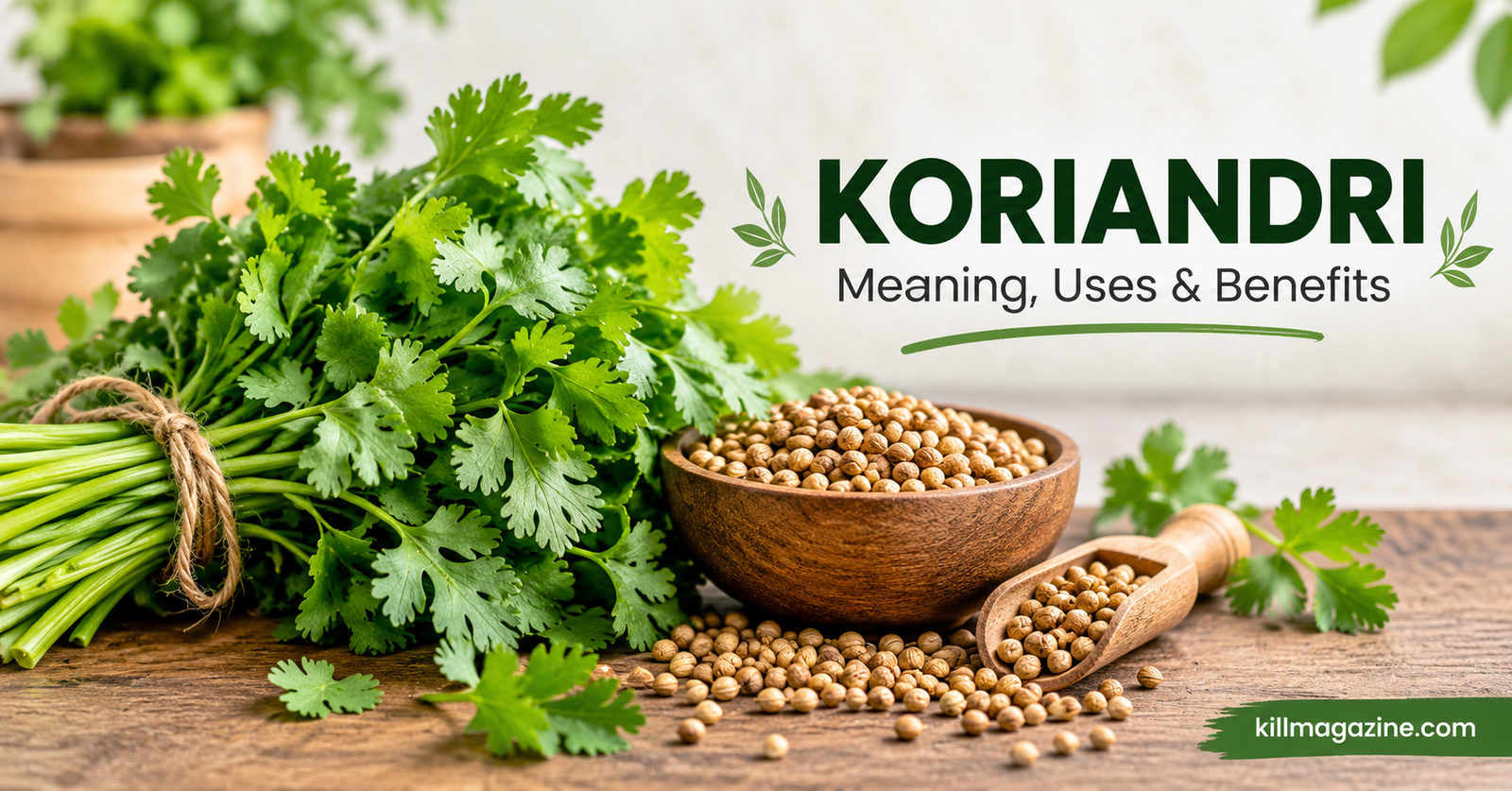
Coriander is one of those herbs that people either love or love to hate. To some, it tastes fresh, citrusy, and bright. To others, it tastes like soap. Whichever camp you fall into, there’s no denying that coriander (Coriandrum sativum) is one of the most widely used herbs and spices in the world, showing up in everything from Mexican salsa to Indian curry to Middle Eastern spice blends.
In this guide, we’ll break down what coriander actually is, its impressive nutritional profile, its science-backed health benefits, how it’s used in the kitchen, and how to store it so it stays fresh longer.
What Is Coriander?
Coriander is an annual herb belonging to the Apiaceae family, the same family that includes carrots, celery, and cumin. It’s one of the oldest cultivated herbs on record, with use dating back roughly 5,000 years to the Mediterranean and Middle Eastern regions.
What makes coriander unique is that the entire plant is edible and useful:
- Fresh leaves (often called cilantro, especially in North America) are used as a garnish and flavoring herb.
- Seeds are dried and used whole or ground as a warm, earthy spice.
- Roots are used in some Southeast Asian cuisines, particularly Thai cooking, for their concentrated flavor.
This “root to leaf” usability is part of why coriander has remained a kitchen staple across so many different cultures for thousands of years.
Cilantro vs. Coriander: What’s the Difference?
This is one of the most common points of confusion, so let’s clear it up:
| Term | Part of Plant | Flavor Profile | Common Regions Using This Term |
|---|---|---|---|
| Cilantro | Fresh leaves and stems | Bright, citrusy, slightly peppery | United States, Latin America |
| Coriander | Dried seeds (sometimes leaves too) | Warm, nutty, slightly sweet and earthy | UK, India, Europe, most of the world |
In short: it’s the same plant, just different parts and different regional names.
Why Does Coriander Taste Like Soap to Some People?
If you’re a coriander-hater, you’re not imagining it. Research has identified a specific genetic variation in an olfactory receptor gene that makes certain people extremely sensitive to the aldehydes in coriander leaves. These aldehyde compounds are also found in soaps and lotions, which is why some people get a strong “soapy” taste instead of the citrusy flavor most people experience. This isn’t a matter of taste preference alone — it’s genuinely written into your DNA.
Nutritional Profile of Coriander
Coriander might be used in small amounts, but it punches above its weight nutritionally. Here’s a general breakdown of what fresh coriander leaves offer per 100 grams:
| Nutrient | Approximate Amount per 100g (Fresh Leaves) | Why It Matters |
|---|---|---|
| Vitamin C | ~27 mg | Supports immune function and skin health |
| Vitamin A | High | Important for eye health and immunity |
| Vitamin K | High | Supports blood clotting and bone health |
| Iron | Moderate | Supports oxygen transport in the blood |
| Potassium | Moderate | Supports healthy blood pressure |
| Calcium | Moderate | Supports bone and teeth strength |
| Antioxidants (polyphenols, flavonoids) | Present | Help combat oxidative stress |
Coriander seeds also carry their own nutritional value, offering fiber, manganese, and iron, along with essential oils that contribute to their antimicrobial and antioxidant properties.
Health Benefits of Coriander
1. Rich in Antioxidants
Coriander contains polyphenols and flavonoids, plant compounds known for their antioxidant activity. Antioxidants help neutralize free radicals in the body, which may otherwise contribute to cellular damage and chronic disease over time.
2. May Support Digestive Health
Coriander has traditionally been used to ease digestive discomfort. Some evidence suggests it may help reduce bloating, support regular digestion, and act as a mild, natural aid for an upset stomach. It’s part of why coriander shows up so often in cuisines with rich, spiced dishes — it may help balance out heavier meals.
3. May Have Antimicrobial Properties
The essential oils found in coriander seeds and leaves have demonstrated antimicrobial activity in various studies, meaning they may help inhibit the growth of certain bacteria. This is one reason coriander has historically been used as a natural food preservative in some cultures.
4. May Help Support Healthy Blood Sugar Levels
Some research suggests coriander may play a supportive role in maintaining healthy blood sugar levels when included as part of a balanced diet. While it shouldn’t replace medical treatment, it’s a promising area of ongoing research.
5. Supports Skin and Immune Health
Thanks to its vitamin C and vitamin A content, coriander contributes to healthy skin, wound healing, and a well-functioning immune system.
6. May Have Anti-Inflammatory Effects
Coriander contains compounds that may help reduce inflammation in the body, which is linked to lowering the long-term risk of various chronic conditions when paired with an overall healthy lifestyle.
Culinary Uses of Coriander
Coriander’s versatility is a big part of why it’s found in kitchens worldwide. Here’s how different parts of the plant are typically used:
| Part of Plant | Common Uses |
|---|---|
| Fresh leaves (cilantro) | Salsas, guacamole, tacos, salads, garnish for curries and soups |
| Dried seeds (whole) | Pickling spice, roasted and used in spice blends like garam masala |
| Ground coriander | Curries, stews, marinades, roasted vegetables, spice rubs |
| Roots | Thai curry pastes, soups |
Regional Uses Around the World
- Middle Eastern Cuisine: Coriander seed is a key ingredient in the spice blend baharat, used to season meats, rice, and vegetables.
- Indian Cuisine: Coriander seeds are often dry-roasted to enhance their aroma before being ground into curry powders and masalas.
- Latin American Cuisine: Fresh cilantro leaves are essential in salsas, guacamole, and countless taco fillings.
- Southeast Asian Cuisine: Coriander root and leaves both feature heavily, especially in Thai and Vietnamese cooking.
How to Store Coriander for Maximum Freshness
Fresh coriander leaves are delicate and wilt quickly if not stored properly. Here’s how to keep it fresh for as long as possible:
| Storage Method | Estimated Freshness |
|---|---|
| Room temperature (loose) | 1 day |
| Refrigerator (standard, wrapped in damp paper towel) | 3 days |
| Refrigerator (high-humidity crisper drawer) | Up to 13 days |
| Freezer (chopped, frozen in ice cube trays) | Several months |
| Dried seeds (airtight container, cool dark place) | Up to 12 months |
Pro tip: Treat fresh coriander like a bouquet of flowers — trim the stems, place them in a glass of water, cover loosely with a plastic bag, and refrigerate. This can significantly extend its shelf life compared to leaving it in its original packaging.
Growing Coriander at Home
If you enjoy cooking with coriander regularly, growing your own can be surprisingly easy:
- Sunlight: 4–5 hours of direct sunlight daily
- Soil: Well-draining, loamy soil with a pH between 6.2 and 6.8
- Watering: Keep soil evenly moist, avoid overwatering
- Germination: Seeds typically sprout in 7–10 days
- Harvest time: Leaves are ready in 3–4 weeks; seeds mature in 8–10 weeks
Because coriander tends to bolt (flower early) in hot weather, cooler seasons like early spring or autumn are the best times to plant it.
Are There Any Side Effects or Precautions?
Coriander is generally safe for most people when used in typical culinary amounts. However, a few things are worth noting:
- Allergies: Some individuals may have allergic reactions to coriander, similar to other members of the Apiaceae family (like celery).
- Blood sugar medications: Because coriander may affect blood sugar levels, those on diabetes medication should monitor their levels and consult a doctor before using it in large therapeutic amounts.
- Blood thinners: Coriander contains vitamin K, which plays a role in blood clotting, so those on blood-thinning medication should be mindful of intake.
As with most herbs, moderate culinary use is unlikely to cause issues for the average healthy adult.
Final Thoughts
Whether you’re a cilantro lover adding it to every taco you make, or someone who only encounters it as ground coriander seed in a curry, this humble herb has earned its place across global cuisines for good reason. It’s packed with vitamins, antioxidants, and potential health benefits, and it’s incredibly versatile in the kitchen — from fresh garnishes to warm, earthy spice blends.
Next time you’re cooking, don’t just think of coriander as a garnish. Think of it as a functional, flavorful ingredient with a genuine nutritional punch.
Frequently Asked Questions (FAQs)
1. Is coriander the same as cilantro? Yes and no. They come from the same plant, but “cilantro” typically refers to the fresh leaves, while “coriander” usually refers to the dried seeds. In some countries, both the leaves and seeds are simply called coriander.
2. Why does coriander taste like soap to some people? A specific genetic variation affects how certain people perceive the aldehyde compounds in coriander, causing them to taste soapy rather than citrusy and fresh.
3. Can I substitute coriander seeds for fresh cilantro leaves in a recipe? Not directly — they have very different flavor profiles. Coriander seeds are warm and earthy, while fresh leaves are bright and citrusy. If a recipe calls for one, it’s best to use that specific form rather than substituting.
4. How long does fresh coriander last in the fridge? Standard refrigeration keeps it fresh for about 3 days, but storing it in a high-humidity crisper drawer or treating it like cut flowers (stems in water) can extend freshness up to 10–13 days.
5. Is coriander good for digestion? Coriander has traditionally been used to support digestive comfort and may help reduce bloating. While more research is ongoing, it’s commonly included in spiced dishes partly for this reason.